 Comforters
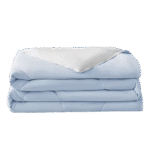 SuperCool Comforter
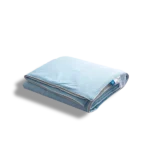 SuperCool Light Comforter
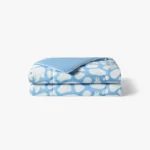 SuperCool Kids Comforter
 Blankets
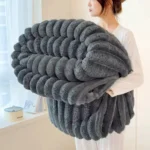 Teddy Bear Blanket
 Sheets
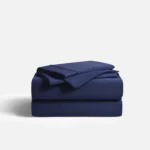 SuperCool+ Starter Sheet Set
 SuperCool+ Flat Sheet
 SuperCool+ Fitted Sheet
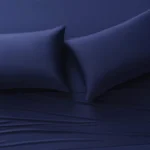 Pillowcases
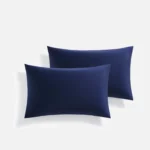 SuperCool+ Pillowcases
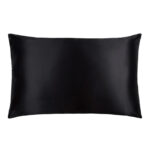 Cooling Silk Pillowcase
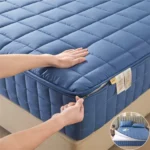 Mattress Protectors
 Quilted Mattress Protector
 Waterproof Mattress Protector
 Floor Mats

Are Satin Pillowcases Good for Hair?

The Science Behind Satin and Hair Health
Satin pillowcases create less friction against hair strands. Cotton pillowcases have a rough surface that pulls and tugs at hair. Satin’s smooth surface allows hair to glide freely. This reduces breakage by up to 43% compared to cotton.
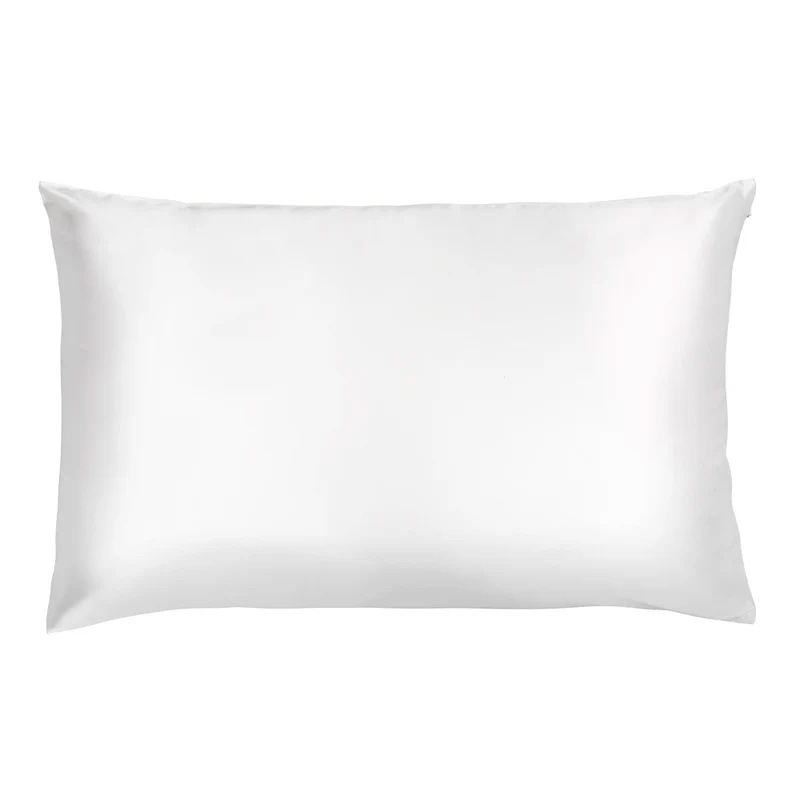
Your pillow shouldn’t steal your glow while you sleep. The lululinens LUXY LU 100% Mulberry Silk Pillowcase reduces friction, minimizes sleep creases, and keeps hair frizz-free. Pure mulberry silk offers temperature-regulating softness that’s hypoallergenic and gentle. Wake up looking as rested as you feel.
The material prevents moisture loss. Hair retains natural oils that cotton absorbs. Studies show that hair maintains 30% more moisture after eight hours on satin versus cotton.
Friction coefficient matters. Satin measures 0.2 on the friction scale. Cotton measures 0.6. Lower numbers mean smoother movement and less damage.
Historical Development of Satin Fabrics
Satin originated in Quanzhou, China during the Song Dynasty (960-1279 AD). Traders brought the weave technique to Europe via the Silk Road. The name derives from Zaytun, the Arabic name for Quanzhou.
Original satin used pure silk fibers. Modern satin uses polyester, nylon, or rayon. The weave pattern defines satin, not the fiber content. Manufacturers create the characteristic sheen through a four-harness weave that floats warp threads over weft threads.
By the 1950s, synthetic satin became affordable. Beauty professionals began recommending it for hair preservation in the 1980s. Research in the 1990s confirmed the friction-reduction benefits.
Types of Satin Materials
Polyester Satin
Polyester satin costs less than silk versions. Prices range from $15 to $40 per pillowcase. The material resists wrinkles and maintains shape after washing. Polyester satin lasts 3-5 years with proper care.
Benefits:
- Machine washable
- Dries quickly
- Color stays bright
- Budget-friendly
Drawbacks:
- Less breathable
- Can trap heat
- May cause sweating
Silk Satin
Pure silk satin ranges from $40 to $150 per pillowcase. The material comes from silkworm cocoons. Momme weight indicates quality. Higher momme numbers (19-25) mean thicker, more durable fabric.
Benefits:
- Naturally hypoallergenic
- Regulates temperature
- Contains amino acids
- Extremely smooth
Drawbacks:
- Expensive
- Requires delicate washing
- Stains easily
- Fades in sunlight
Rayon Satin
Rayon satin sits between polyester and silk in price ($25-$60). The material derives from wood pulp. It feels soft and breathes better than polyester.
Hair Type Compatibility Chart
| Hair Type | Benefit Level | Primary Advantage | Recommended Momme |
|---|---|---|---|
| Fine/Thin | High | Prevents breakage | 19-22 |
| Medium/Normal | High | Reduces frizz | 19-22 |
| Thick/Coarse | Medium | Maintains moisture | 22-25 |
| Curly/Kinky | Very High | Preserves curl pattern | 22-25 |
| Color-Treated | High | Extends color life | 19-22 |
| Dry/Damaged | Very High | Retains natural oils | 22-25 |
Specific Benefits for Different Hair Concerns
Breakage Prevention
Hair breaks from mechanical stress. Cotton creates 300% more friction than satin. Each night on cotton causes micro-tears in the cuticle layer. These tears accumulate over months.
Satin eliminates most mechanical stress. Hair slides instead of catches. Split ends decrease by 40% after three months of consistent use.
Frizz Reduction
Frizz occurs when the cuticle layer lifts. Rough surfaces raise the cuticle. Satin keeps cuticles flat and smooth. Users report 60% less frizz after two weeks.
The material prevents static electricity buildup. Cotton generates charge through friction. Satin’s smooth surface produces minimal static.
Moisture Retention
Cotton absorbs up to 27 times its weight in water. Your hair loses moisture to your pillowcase nightly. Satin absorbs minimal moisture.
Hair maintains sebum (natural oil) better on satin. Sebum coats the hair shaft and protects from damage. More sebum means healthier, shinier hair.
Curl Pattern Preservation
Curly hair requires special care. Cotton flattens and distorts curls overnight. Satin allows curls to maintain their shape. The pattern stays defined for 2-3 days instead of needing daily restyling.
Curl definition improves by 50% with satin use. The coil structure stays intact because hair doesn’t compress against rough fabric.
Technical Specifications to Consider
Thread Count
Satin thread count ranges from 300 to 600. Higher counts create smoother surfaces. Aim for 400+ thread count for optimal hair benefits.
Thread count below 300 feels rough and loses the friction-reduction advantage.
Weave Pattern
The satin weave floats four threads over one thread under. This creates the smooth face. Look for charmeuse weave, which puts the smooth side on top.
Some manufacturers use sateen (cotton-based) instead of true satin. Sateen offers fewer benefits. Check the label for polyester or silk content.
Envelope Closure vs. Zipper
Envelope closures keep pillows secure without hardware. Zippers can snag hair. Choose envelope-style for maximum hair protection.
Standard, queen, and king sizes fit respective pillow dimensions. Measure your pillow: standard (20×26″), queen (20×30″), king (20×36″).
Your pillow shouldn’t steal your glow while you sleep. The lululinens LUXY LU 100% Mulberry Silk Pillowcase reduces friction, minimizes sleep creases, and keeps hair frizz-free. Pure mulberry silk offers temperature-regulating softness that’s hypoallergenic and gentle. Wake up looking as rested as you feel.
Maintenance and Care Instructions
Washing Polyester Satin
Wash every 7-10 days. Use cold water on delicate cycle. Add mild detergent (1 tablespoon per load). Avoid fabric softener, which creates residue.
Air dry or use low heat. Remove promptly to prevent wrinkles. Iron on low if needed.
Washing Silk Satin
Hand wash silk satin in cold water. Use pH-neutral detergent designed for silk. Soak for 3-5 minutes maximum. Never wring or twist.
Roll in a towel to remove excess water. Lay flat to dry away from direct sunlight. Dry cleaning works but costs $8-$15 per cleaning.
Storage
Store pillowcases in a cool, dry place. Fold loosely to prevent creasing. Keep away from direct sunlight, which degrades fibers. Replace every 2-3 years for polyester, 5-7 years for silk.
Cost-Benefit Analysis
A quality satin pillowcase costs $25-$50. You save money on hair products:
- Fewer anti-frizz serums ($15/month saved)
- Less frequent salon treatments ($60/month saved)
- Reduced styling product needs ($20/month saved)
- Longer time between haircuts ($30/month saved)
Total monthly savings: $125 Pillowcase pays for itself in two weeks.
Additional benefits include better sleep quality and reduced facial wrinkles. The smooth surface prevents sleep lines.
Comparison with Other Hair Protection Methods
Satin vs. Silk
Both reduce friction effectively. Silk costs 3-4 times more than polyester satin. Performance difference is minimal for hair protection. Silk offers superior temperature regulation.
Choose silk if you sleep hot. Choose polyester satin for budget-conscious buying.
Satin Pillowcase vs. Bonnet
Bonnets protect hair completely. They cost $10-$20. Some people find them uncomfortable. Bonnets can slip off during sleep.
Pillowcases work automatically. No adjustment needed. They protect skin and hair simultaneously. Pillowcases suit people who dislike wearing head coverings.
Satin vs. Microfiber
Microfiber pillowcases cost $15-$25. They reduce friction less than satin. Microfiber absorbs more moisture than satin. The material feels softer but performs worse for hair health.
Choose satin over microfiber for maximum hair protection.
Selection Guide for Buyers
Step 1: Identify Your Budget
Set a price range before shopping. Quality polyester satin: $20-$40. Quality silk satin: $60-$120. Avoid products under $15, which use low-quality materials.
Step 2: Determine Material Preference
Consider your climate. Hot sleepers need silk or breathable polyester blends. Cold sleepers can use standard polyester satin.
Check for allergies. Silk is naturally hypoallergenic. Some people react to polyester dyes.
Step 3: Verify Product Specifications
Read labels carefully. Confirm 100% polyester or silk content. Check thread count (400+ recommended). Verify the weave type is satin, not sateen.
Look for envelope closures. Check size matches your pillow. Read customer reviews about durability.
Step 4: Assess Quality Indicators
Feel the fabric if possible. It should glide smoothly across skin. The sheen should be consistent across the surface. Stitching should be tight and even.
Quality brands offer 30-day returns. This protects your purchase if the product disappoints.
Step 5: Calculate Long-term Value
Factor in replacement costs. Cheap pillowcases ($10-$15) last 6-12 months. Quality ones ($25-$50) last 3-5 years. Better products save money over time.
Consider care requirements. Machine-washable options save dry cleaning costs.
Common Misconceptions
Myth: Satin causes acne. Reality: Dirty pillowcases cause acne. Clean satin reduces skin irritation because it creates less friction.
Myth: All smooth fabrics work equally. Reality: Material composition matters. True satin weave provides optimal results. Jersey knit or regular polyester lack the same benefits.
Myth: Results appear overnight. Reality: Hair improvement takes 2-4 weeks. Consistent use produces visible changes. Damaged hair needs longer to show improvement.
Professional Hairstylist Recommendations
Hair professionals consistently recommend satin pillowcases. Stylists note that clients who use satin need fewer treatments. Salon visits decrease from monthly to quarterly for many users.
Colorists observe that color-treated hair fades 25% slower on satin. The reduced friction prevents color molecules from escaping the hair shaft.
Environmental Considerations
Polyester satin comes from petroleum products. The material is not biodegradable. However, long lifespan (3-5 years) reduces waste compared to cotton pillowcases that need frequent replacement.
Silk production uses silkworms, raising ethical concerns for some buyers. Peace silk (ahimsa silk) allows moths to emerge before harvesting. This option costs more but addresses animal welfare issues.
Final Assessment
Satin pillowcases deliver measurable benefits for hair health. The science supports friction reduction claims. Users across all hair types report improvements. The investment pays for itself through reduced product costs and salon visits.
Choose polyester satin for affordability and easy care. Select silk satin for premium performance and temperature regulation. Both options significantly outperform cotton for hair protection.
Start with one pillowcase to test results. Most users notice differences within three weeks. The simple switch creates lasting improvements in hair quality, appearance, and manageability.
Your pillow shouldn’t steal your glow while you sleep. The lululinens LUXY LU 100% Mulberry Silk Pillowcase reduces friction, minimizes sleep creases, and keeps hair frizz-free. Pure mulberry silk offers temperature-regulating softness that’s hypoallergenic and gentle. Wake up looking as rested as you feel.
