 Comforters
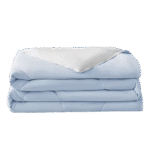 SuperCool Comforter
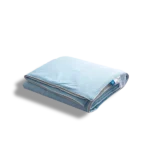 SuperCool Light Comforter
 SuperCool Kids Comforter
 Blankets
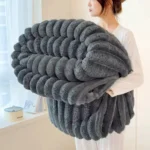 Teddy Bear Blanket
 Sheets
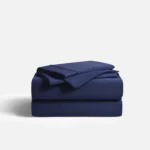 SuperCool+ Starter Sheet Set
 SuperCool+ Flat Sheet
 SuperCool+ Fitted Sheet
 Pillowcases
 SuperCool+ Pillowcases
 Cooling Silk Pillowcase
 Mattress Protectors
 Quilted Mattress Protector
 Waterproof Mattress Protector
 Floor Mats

Do Silk Pillowcases Help with Acne?

The Science Behind Silk and Skin Health
Silk pillowcases have gained attention in skincare circles. The material offers specific properties that affect skin health during sleep. Mulberry silk, the most common type used in pillowcases, contains natural proteins and 18 essential amino acids. These compounds create a smooth surface that reduces friction against your face.
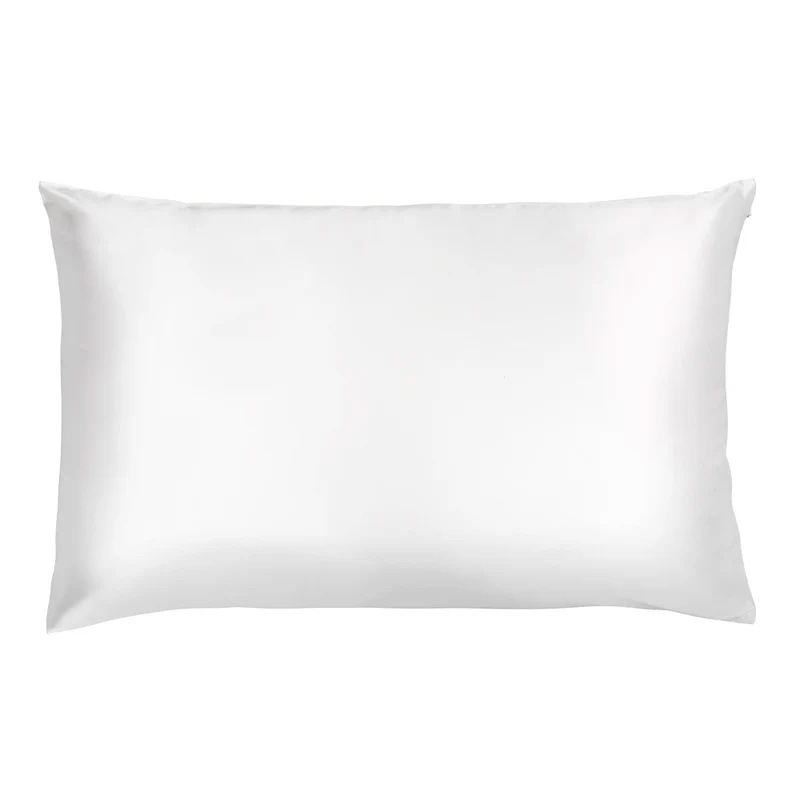
Your pillow shouldn’t steal your glow while you sleep. The lululinens LUXY LU 100% Mulberry Silk Pillowcase reduces friction, minimizes sleep creases, and keeps hair frizz-free. Pure mulberry silk offers temperature-regulating softness that’s hypoallergenic and gentle. Wake up looking as rested as you feel.
Your skin experiences significant contact with your pillowcase. You spend approximately one-third of your life sleeping. This extended contact time makes bedding material a factor in skin health. Cotton and synthetic fabrics absorb moisture and create friction. Silk behaves differently.
The fiber structure of silk produces less drag against skin. This reduced friction means less pulling and tugging on facial tissue. Acne-prone skin benefits from minimal mechanical irritation. Each night on a rough surface can aggravate existing breakouts and inflame pores.
Momme weight measures silk density. Higher momme counts indicate thicker, more durable fabric. Quality silk pillowcases typically range from 19 to 25 momme. This density affects both durability and skin benefits.
How Silk Reduces Acne-Causing Factors
Moisture Retention Properties
Cotton pillowcases absorb up to 27 times their weight in moisture. This absorption strips natural oils from your face. Your skin compensates by producing excess sebum. This overproduction clogs pores and creates an environment for acne bacteria.
Silk maintains a different relationship with moisture. The material is naturally hydrophobic. It repels water rather than absorbing it. Your skincare products and natural facial oils stay on your skin instead of transferring to the fabric. This preservation helps maintain skin barrier function.
The moisture balance affects several acne-related factors:
- Prevents excessive dryness that triggers oil overproduction
- Keeps topical acne treatments on your face
- Reduces bacterial growth from damp fabric
- Maintains skin hydration levels throughout the night
Bacterial Growth Prevention
Acne vulgaris results from several factors. Propionibacterium acnes bacteria play a central role. These microorganisms thrive in warm, moist environments. Traditional pillowcases create ideal conditions for bacterial proliferation.
Silk contains natural properties that discourage bacterial growth. The fabric’s protein structure includes sericin, a compound with antimicrobial characteristics. Studies show silk surfaces harbor fewer bacteria compared to cotton after identical exposure periods.
The temperature regulation of silk also matters. The material stays cooler than cotton. Lower temperatures reduce bacterial multiplication rates. Your face encounters fewer microorganisms during sleep.
Friction and Inflammation Reduction
Mechanical irritation worsens acne. Each time your face moves across a pillowcase, friction occurs. Cotton fibers create drag. This drag pulls at skin, stretches pores, and can rupture existing acne lesions.
The smooth surface of silk eliminates most friction. Your face glides across the material. This reduced mechanical stress allows healing to proceed without nightly disruption. Inflammation decreases when skin experiences less physical irritation.
Research in dermatology journals confirms friction’s role in acne aggravation. The term “acne mechanica” describes breakouts caused by physical irritation. Athletes who wear helmets and individuals who lean on their hands frequently develop this condition. The same principle applies to pillowcases.
Historical Context of Silk in Skincare
Ancient Beauty Practices
Silk production began in China around 3000 BCE. Ancient texts describe silk’s use in beauty regimens. Chinese empresses reportedly used silk for skin preservation. The fabric was precious and reserved for nobility.
Japanese geishas incorporated silk into their beauty routines. They recognized the material’s gentle properties. Historical records indicate they used silk cloths for facial care and slept on silk bedding to maintain their complexion.
These practices were not scientifically understood but observation-based. Ancient cultures noticed skin appeared healthier with silk contact. Modern research now explains the mechanisms behind these traditional practices.
Modern Rediscovery
The 1990s saw renewed interest in silk pillowcases for beauty. Dermatologists began recommending silk to patients with sensitive skin. The beauty industry recognized silk’s potential benefits. Marketing increased awareness among consumers.
Clinical observations supported anecdotal reports. Patients using silk pillowcases reported fewer morning facial creases and reduced skin irritation. These findings prompted more systematic investigation into silk’s properties.
Technical Specifications of Quality Silk Pillowcases
Momme Weight Standards
The momme measurement system originated in Japan. One momme equals 4.340 grams per square meter. This metric indicates fabric density and quality.
Momme Weight Comparison:
| Momme Count | Quality Level | Best Use | Durability |
|---|---|---|---|
| 12-16 | Low | Budget options | Poor, pills easily |
| 19-22 | Good | Daily use | Moderate, 1-2 years |
| 22-25 | Excellent | Premium use | High, 3-5 years |
| 25+ | Luxury | Special care | Very high, 5+ years |
For acne-prone skin, 19-22 momme provides the best balance. The fabric offers sufficient durability while maintaining affordability. Higher momme counts may feel slightly less breathable.
Grade Classifications
Silk receives quality grades based on fiber consistency and processing. Grade 6A represents the highest quality. These fibers come from premium mulberry silk with minimal processing.
Lower grades contain irregularities, shorter fibers, or chemical treatments. These variations affect the pillowcase’s performance. Grade 6A silk provides the most consistent surface texture and longest lifespan.
Weave Patterns
Charmeuse represents the most common weave for silk pillowcases. This pattern creates a lustrous front surface and matte back. The smooth front provides optimal skin contact.
Other weaves include:
- Habotai: Lightweight, plain weave, less lustrous
- Crepe de Chine: Textured surface, more matte finish
- Satin weave: Similar to charmeuse, slightly different construction
Charmeuse offers the best properties for acne management. The smooth surface minimizes friction while maintaining breathability.
Direct Benefits for Acne-Prone Skin
Reduced Product Absorption
Nighttime skincare routines often include multiple products. Retinoids, benzoyl peroxide, and salicylic acid treat acne. These treatments need contact time with skin to work effectively.
Cotton absorbs these products. Studies show up to 30% of topical treatments transfer to cotton pillowcases within the first hour. This absorption reduces treatment effectiveness. You lose active ingredients to your bedding.
Silk’s low absorption rate keeps treatments on your face. The active ingredients penetrate pores and work throughout the night. This increased contact time enhances treatment results. Users often notice improved outcomes from the same products.
Temperature Regulation
Overheating during sleep affects skin. Elevated temperatures increase sebum production. Sweat mixes with oils and clogs pores. This combination creates acne flares.
Silk regulates temperature better than cotton or polyester. The material wicks minimal moisture but allows air circulation. Your face stays cooler. Reduced sweating means less pore clogging.
The thermoregulating properties of silk come from its fiber structure. Each silk strand contains tiny gaps. These spaces allow heat to dissipate while maintaining comfort. The effect is subtle but measurable.
Allergen Resistance
Dust mites trigger inflammation. These microscopic organisms feed on dead skin cells. Their waste products cause allergic reactions. Inflammation worsens acne by increasing skin sensitivity.
Silk naturally resists dust mites. The tight weave prevents mite colonization. The material’s protein structure discourages their feeding. Hypoallergenic properties reduce overall facial inflammation.
Regular laundering enhances this benefit. Silk pillowcases release allergens more easily during washing compared to cotton. The smooth fibers don’t trap particles as effectively.
Maintenance and Care for Optimal Results
Washing Frequency
Acne-prone skin requires frequent pillowcase changes. Dead skin cells, oils, and bacteria accumulate on fabric surfaces. These contaminants transfer back to your face during sleep.
Replace your pillowcase every 2-3 days. This schedule prevents bacterial buildup. More frequent changes provide better results for active acne. Purchase multiple pillowcases to maintain this rotation.
Silk requires gentler washing than cotton. Hand washing preserves fiber integrity. Machine washing is possible with proper precautions.
Proper Cleaning Methods
Hand Washing Steps:
- Fill a basin with cool water
- Add pH-neutral detergent specifically formulated for silk
- Submerge the pillowcase completely
- Gently agitate for 3-5 minutes
- Rinse thoroughly with cool water
- Press out excess water without wringing
- Lay flat or hang to dry away from direct sunlight
Machine Washing Guidelines:
- Use mesh laundry bag
- Select delicate cycle
- Set water temperature to cold
- Use silk-specific detergent
- Remove immediately after cycle
- Never use bleach or fabric softener
- Avoid high heat drying
The cleaning method affects silk’s lifespan and properties. Harsh detergents break down protein fibers. High heat causes shrinkage and damage. Proper care maintains the acne-fighting benefits.
Drying and Storage
Never wring silk pillowcases. The twisting damages fibers and creates texture irregularities. These rough spots increase friction against skin.
Air drying preserves silk quality. Hang pillowcases away from direct sunlight. UV radiation degrades silk proteins. The fading affects more than appearance—it reduces the material’s beneficial properties.
Store clean pillowcases in a cool, dry location. Avoid plastic bags that trap moisture. Cedar sachets prevent pest damage without chemicals that might irritate skin.
Your pillow shouldn’t steal your glow while you sleep. The lululinens LUXY LU 100% Mulberry Silk Pillowcase reduces friction, minimizes sleep creases, and keeps hair frizz-free. Pure mulberry silk offers temperature-regulating softness that’s hypoallergenic and gentle. Wake up looking as rested as you feel.
Comparing Silk to Alternative Materials
Cotton Pillowcases
Cotton remains the most common pillowcase material. The fabric costs less than silk. Cotton is durable and easy to maintain. However, cotton creates friction and absorbs moisture.
Standard cotton (200-400 thread count) feels rough compared to silk. Each fiber has a complex structure with raised areas. These irregularities catch skin and create drag.
Egyptian cotton (600+ thread count) provides a smoother surface. The higher thread count reduces some friction. Moisture absorption remains problematic. Even premium cotton strips oils from skin.
Satin Pillowcases
Many consumers confuse satin with silk. Satin describes a weave pattern, not a material. Manufacturers produce satin from polyester, nylon, or silk. Most “satin” pillowcases contain synthetic fibers.
Synthetic satin shares silk’s smooth surface. The material costs significantly less. However, synthetic fabrics lack silk’s natural properties. Polyester traps heat and doesn’t breathe well. These factors can worsen acne for some users.
The choice between silk and synthetic satin depends on priorities. Budget-conscious consumers may start with synthetic satin. Those with severe acne typically see better results with genuine silk.
Bamboo and Eucalyptus Fabrics
Plant-based alternatives have entered the market. Bamboo and eucalyptus fabrics claim natural antimicrobial properties. These materials offer sustainability advantages.
Bamboo fabric feels smooth and soft. The material absorbs moisture better than cotton but less than silk. Temperature regulation falls between cotton and silk. Some users with acne find bamboo helpful.
Eucalyptus fabric (often branded as Tencel or Lyocell) provides similar benefits. The manufacturing process uses fewer chemicals than conventional fabrics. The smooth surface reduces friction.
Neither bamboo nor eucalyptus matches silk’s complete property profile. They serve as middle-ground options. Cost falls between cotton and silk.
Real-World Effectiveness and Limitations
What Silk Cannot Do
Silk pillowcases help manage acne. They do not cure the condition. Acne results from multiple factors: hormones, genetics, diet, stress, and skincare habits. Changing bedding addresses only one variable.
Severe acne requires medical treatment. Prescription medications like isotretinoin or antibiotics treat underlying causes. Silk pillowcases complement these treatments but cannot replace them.
The material also cannot:
- Eliminate existing acne scars
- Prevent all bacterial transfer
- Compensate for poor skincare routines
- Replace professional dermatological care
- Guarantee results for all skin types
Expected Timeline for Results
Skin improvements occur gradually. Most users notice changes within 2-4 weeks. Initial changes include reduced morning puffiness and fewer new breakouts.
Existing acne lesions take longer to heal. The typical acne lifecycle spans 2-6 weeks. Silk pillowcases prevent additional irritation but cannot speed cellular healing processes.
Full evaluation requires 6-8 weeks of consistent use. This timeframe allows complete skin cell turnover. Users should maintain their regular skincare routine during this period. Changes should involve only the pillowcase to isolate its effects.
Individual Variation
Skin responds differently to various interventions. Some users report dramatic improvements. Others notice subtle changes. Genetics and acne severity influence outcomes.
Factors affecting results:
- Acne type (hormonal, bacterial, inflammatory)
- Skin sensitivity level
- Current skincare regimen
- Sleep position (side sleepers see more benefit)
- Overall pillowcase hygiene habits
- Quality of silk purchased
People with mild to moderate acne typically experience better results. Those with cystic acne may see improvement but need additional treatments.
Selection Guide for Purchasing
Identifying Authentic Silk
The market contains many misleading products. “Silk-like” and “silky” fabrics are not genuine silk. Authentic silk comes from silkworm cocoons. Manufacturers should specify 100% pure mulberry silk.
Authentication Methods:
- Burn test: Real silk smells like burning hair and produces powdery ash
- Price verification: Genuine silk costs more than synthetic alternatives
- Label inspection: Look for specific silk type and grade
- Touch test: Real silk feels cool to touch and warms slowly
- Ring test: Quality silk can pull through a ring due to fineness
Purchase from reputable retailers. Request documentation of silk grade and momme weight. Suspiciously cheap prices indicate synthetic materials.
Price Expectations
Genuine silk pillowcases range from $25 to $100+ per piece. The variation reflects:
- Momme weight differences
- Silk grade quality
- Manufacturing location
- Brand reputation
- Included features (envelope closure, hidden zipper)
Budget options ($25-40) typically offer 19 momme, Grade 4A or 5A silk. Mid-range choices ($40-70) provide 22 momme, Grade 6A silk. Premium products ($70-100+) feature 25+ momme with superior construction.
For acne management, mid-range options provide the best value. The quality difference between mid-range and premium has minimal impact on skin benefits.
Size and Closure Types
Standard pillowcase sizes apply to silk products. Measure your pillow before purchasing. A proper fit prevents bunching that creates friction points.
Closure Options:
- Envelope closure: Overlapping fabric flap, no hardware
- Hidden zipper: Concealed closure, sleek appearance
- Tie closure: Ribbon or fabric ties, traditional style
- Open end: No closure, budget option
Envelope and hidden zipper closures work best for acne-prone skin. These designs keep the pillow secured without exposed hardware. Zippers should face away from your sleeping surface.
Color and Dye Considerations
Silk accepts dye well. Manufacturers offer numerous colors. Dye quality affects skin health. Cheap dyes may contain irritants that transfer to skin.
White and light colors show less dye exposure. These options suit very sensitive skin. Darker colors require more dye but quality products use skin-safe formulations.
Oeko-Tex Standard 100 certification indicates tested safety. This certification verifies the absence of harmful substances. Look for this marking when purchasing colored silk.
Implementation Strategy
Transition Period
Switch to silk gradually if desired. Some users prefer immediate full adoption. Others test the product on one pillow first. Both approaches work.
Monitor your skin during the first month. Take photos weekly to track changes. Note any differences in:
- Morning skin texture
- Breakout frequency
- Redness or inflammation
- Moisture levels
- Product effectiveness
Keep a simple log. This documentation helps identify genuine improvements versus placebo effects.
Complementary Skincare Practices
Silk pillowcases work best with solid skincare fundamentals. Maintain these habits:
- Remove all makeup before bed
- Cleanse face with appropriate products
- Apply acne treatments as directed
- Moisturize even if skin feels oily
- Use fresh towels for face drying
- Wash hands before touching face
- Change pillowcases every 2-3 days
- Keep hair away from face during sleep
The pillowcase enhances these practices. It cannot compensate for poor skincare habits.
Maximizing Long-Term Benefits
Purchase 3-4 silk pillowcases minimum. This quantity supports frequent rotation. Clean pillowcases always available encourage consistent use.
Establish a washing schedule. Set reminders if needed. Consistency matters more than any other factor.
Consider silk for other bedding. Silk sheets provide similar benefits for body acne. The investment costs more but covers larger skin areas.
Replace silk pillowcases annually or when texture becomes rough. Even with proper care, silk eventually degrades. Maintaining peak performance requires periodic replacement.
Summary and Final Assessment
Silk pillowcases provide measurable benefits for acne-prone skin. The material reduces friction, maintains skin moisture, and discourages bacterial growth. These properties address several acne-contributing factors.
Scientific evidence supports silk’s advantages over cotton and synthetic fabrics. The mechanisms are well-understood. Real-world results align with theoretical benefits.
The investment requires modest expense and maintenance commitment. Quality silk pillowcases cost $40-70. Proper care takes minimal time. The potential skin improvements justify these requirements for most users.
Silk pillowcases work best as part of a comprehensive approach. Combine them with appropriate skincare products, regular cleansing, and professional guidance for severe acne. The bedding change alone rarely eliminates acne completely.
Individuals with mild to moderate acne experience the most noticeable improvements. Results appear within 2-8 weeks. The benefits include reduced inflammation, fewer new breakouts, and better treatment product effectiveness.
The decision to purchase depends on acne severity and budget. Those struggling with persistent breakouts should consider silk pillowcases a worthwhile trial. The low-risk intervention may provide significant relief. Users with severe acne should view silk as a helpful supplement to medical treatment rather than a standalone solution.
Quality matters significantly. Purchase 100% pure mulberry silk with 19-22 momme weight and Grade 6A rating. Maintain proper washing schedules. Replace pillowcases when texture degrades.
Silk pillowcases represent a practical, evidence-based addition to acne management strategies. They address environmental factors affecting skin health during sleep. The benefits extend beyond acne to include reduced facial creases and improved moisture retention. For many users, the switch to silk becomes a permanent change rather than a temporary experiment.
Your pillow shouldn’t steal your glow while you sleep. The lululinens LUXY LU 100% Mulberry Silk Pillowcase reduces friction, minimizes sleep creases, and keeps hair frizz-free. Pure mulberry silk offers temperature-regulating softness that’s hypoallergenic and gentle. Wake up looking as rested as you feel.
