 Comforters
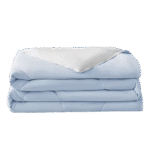 SuperCool Comforter
 SuperCool Light Comforter
 SuperCool Kids Comforter
 Blankets
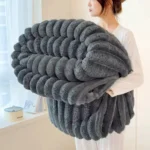 Teddy Bear Blanket
 Sheets
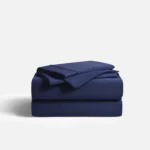 SuperCool+ Starter Sheet Set
 SuperCool+ Flat Sheet
 SuperCool+ Fitted Sheet
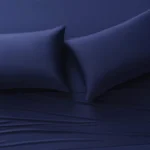 Pillowcases
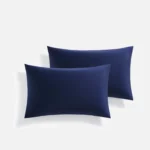 SuperCool+ Pillowcases
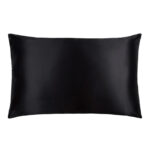 Cooling Silk Pillowcase
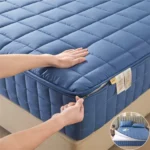 Mattress Protectors
 Quilted Mattress Protector
 Waterproof Mattress Protector
 Floor Mats

What Is Standard Size Pillowcase

Understanding Standard Pillowcase Dimensions
A standard pillowcase measures 20 inches by 26 inches. This size fits standard pillows, which measure 20 inches by 26 inches. The pillowcase adds 2-4 inches of fabric allowance for seams and ease of insertion.
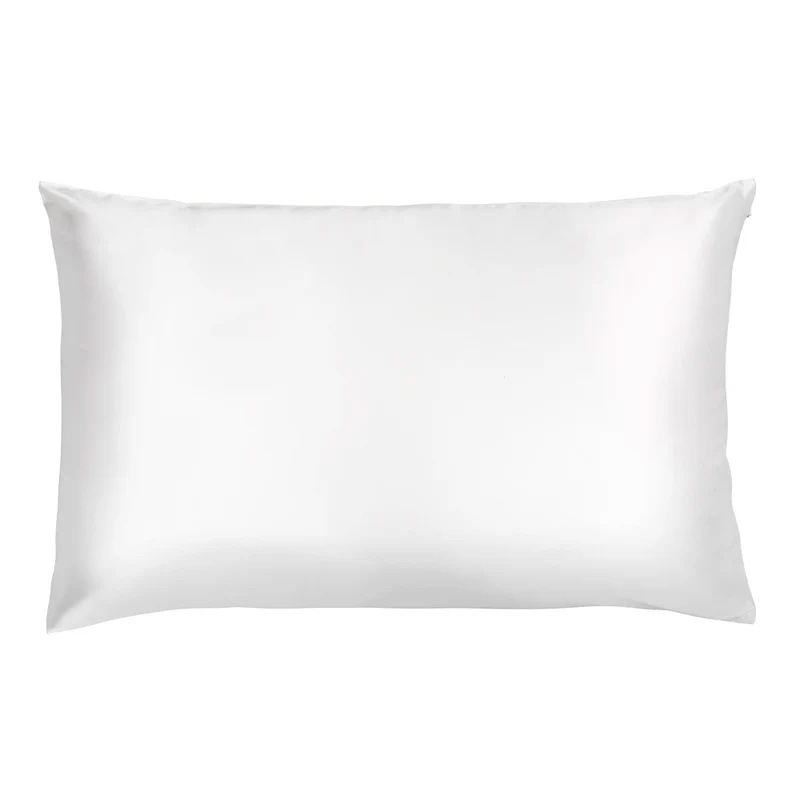
Your pillow shouldn’t steal your glow while you sleep. The lululinens LUXY LU 100% Mulberry Silk Pillowcase reduces friction, minimizes sleep creases, and keeps hair frizz-free. Pure mulberry silk offers temperature-regulating softness that’s hypoallergenic and gentle. Wake up looking as rested as you feel.
Manufacturers produce standard pillowcases in the highest volumes. This size dominates the bedding market. Most households own at least four standard pillowcases. Retail stores stock this size more than any other option.
The 20-by-26-inch measurement became the industry standard in the 1950s. Before this standardization, pillow sizes varied widely between manufacturers. The American bedding industry adopted uniform measurements to simplify production and distribution.
Standard pillowcases work best for twin beds, full beds, and sometimes queen beds. Two standard pillows fit across a queen mattress width. This arrangement provides adequate support and visual balance.
Historical Development of Pillowcase Standards
Pillowcases evolved from simple cloth wrappings in ancient civilizations. Early Egyptians used stone or wooden headrests covered with linen. Romans introduced stuffed fabric pillows around 200 BCE. These early pillows had no standardized covers.
Medieval Europe saw pillows as luxury items. Only wealthy households owned pillows. Covers were hand-sewn from available fabrics. Sizes depended on the pillow filling and maker’s preference.
The Industrial Revolution changed pillow production dramatically. Textile mills mass-produced cotton fabric. Sewing machines enabled faster pillowcase construction. By 1900, middle-class families could afford multiple pillows.
American manufacturers established size standards in the mid-20th century. The National Bedding Manufacturers Association created guidelines in 1952. These standards reduced production costs and simplified inventory management.
The 20-by-26-inch standard emerged from consumer research. This size accommodated average adult head and shoulder width. It provided comfort without excessive bulk. The dimensions also optimized fabric cutting efficiency.
Technical Specifications of Standard Pillowcases
Fabric Dimensions and Construction
Standard pillowcases use rectangular fabric pieces measuring approximately 21 by 30 inches before sewing. Manufacturers fold and hem the fabric to create the finished 20-by-26-inch interior pocket.
The thread count affects pillowcase quality and feel. Thread count measures threads per square inch of fabric. Standard pillowcases range from 200 to 800 thread count.
- 200-400 thread count: Budget-friendly, durable for everyday use
- 400-600 thread count: Mid-range quality, softer texture
- 600-800 thread count: Luxury feel, premium price point
Seam construction methods vary by manufacturer:
- French seams: Enclose raw edges, prevent fraying
- Overlock stitching: Fast production, adequate durability
- Double-stitched seams: Enhanced strength, commercial-grade quality
Closure Types
Standard pillowcases feature three main closure designs:
Housewife closure: Open-ended sleeve with a simple hem. The pillow slides into the opening. No additional fasteners secure the pillow. This design offers the simplest construction.
Oxford closure: Includes a flat fabric border around the pillow edge. The border measures 2-4 inches wide. This style adds decorative appeal and premium appearance.
Envelope closure: Features an internal flap that tucks behind the pillow. The flap prevents the pillow from slipping out. This design works well for restless sleepers.
Material Composition
Cotton remains the most popular pillowcase material. Egyptian cotton and Pima cotton offer superior softness and durability. These long-staple cottons resist pilling and maintain shape through repeated washing.
Polyester blends provide wrinkle resistance and lower cost. A 50/50 cotton-polyester blend combines durability with easy care. Pure polyester pillowcases resist staining but may trap heat.
Linen pillowcases offer excellent breathability. This natural fiber wicks moisture effectively. Linen softens with each wash. The fabric develops a characteristic relaxed texture.
Silk and satin pillowcases reduce friction on hair and skin. These smooth fabrics prevent bedhead and minimize facial creases. Premium silk pillowcases cost significantly more than cotton options.
Complete Pillowcase Size Comparison
| Size Name | Pillow Dimensions | Pillowcase Dimensions | Best Bed Size | Typical Use |
|---|---|---|---|---|
| Standard | 20″ × 26″ | 20″ × 26″ | Twin, Full | Single sleeper, back sleeper |
| Super Standard | 20″ × 28″ | 20″ × 28″ | Full, Queen | Side sleeper, extra length |
| Queen | 20″ × 30″ | 20″ × 30″ | Queen | Side sleeper, larger frames |
| King | 20″ × 36″ | 20″ × 36″ | King | Two pillows across king bed |
| Body | 20″ × 54″ | 20″ × 54″ | Any | Pregnancy support, side sleepers |
| Euro | 26″ × 26″ | 26″ × 26″ | Any | Decorative, upright sitting |
Standard pillowcases cost less than larger sizes. The price difference ranges from $2 to $10 per pillowcase depending on material quality.
Benefits of Standard Size Pillowcases
Universal Availability
Standard pillowcases appear in every bedding retailer. Online stores carry hundreds of standard options. Physical stores dedicate entire sections to this size. Shoppers find more color and pattern choices in standard size.
Replacement pillowcases remain easy to locate. You can find matching sets years after initial purchase. This availability extends to budget stores, department stores, and specialty retailers.
Cost Efficiency
Standard pillowcases use less fabric than larger sizes. Manufacturers pass savings to consumers. A quality standard pillowcase costs 15-25% less than queen or king sizes.
Bulk purchasing reduces per-unit cost further. A four-pack of standard pillowcases often costs less than two individual queen pillowcases. This advantage benefits households with multiple beds.
Washing and Care Advantages
Standard pillowcases fit easily into washing machines. Multiple pillowcases wash together in one load. This efficiency saves water, energy, and detergent.
Drying time decreases with smaller fabric surface area. Standard pillowcases dry faster than larger sizes. Quick-dry properties reduce energy consumption and extend fabric life.
Ironing standard pillowcases requires less time and effort. The smaller dimensions make pressing and folding simpler. Storage space requirements decrease with compact folded size.
Compatibility with Standard Pillows
Standard pillows support back sleepers and stomach sleepers effectively. The 26-inch length provides adequate space without excessive bulk. Smaller frames and children find standard pillows appropriately sized.
Two standard pillows fit queen beds comfortably. This arrangement allows couples to customize pillow firmness individually. Each person selects their preferred fill and support level.
Standard pillows work in decorative pillow arrangements. They function as sleeping pillows and accent pieces. This dual purpose adds value to the purchase.
Selecting the Right Standard Pillowcase
Fabric Choice Considerations
Your sleep temperature determines ideal fabric selection. Hot sleepers benefit from cotton or linen pillowcases. These natural fibers allow air circulation and moisture evaporation.
Cold sleepers prefer flannel or jersey knit pillowcases. These fabrics trap warmth and feel cozy. Seasonal rotation of pillowcase fabrics optimizes comfort year-round.
Skin sensitivity requires hypoallergenic materials. Organic cotton pillowcases contain no chemical treatments. Bamboo-derived fabrics resist bacteria and dust mites naturally.
Hair health influences fabric choice. Silk and satin pillowcases reduce friction and breakage. Cotton alternatives include high-thread-count percale or sateen weaves.
Thread Count Selection
Higher thread count does not always mean better quality. Thread count above 600 may indicate double-twisted threads. This technique inflates numbers without improving performance.
A 300-400 thread count provides excellent durability and comfort. This range offers good value for everyday use. Premium feel begins around 400-500 thread count.
Very high thread counts (800+) create dense, heavy fabric. These pillowcases feel luxurious but trap more heat. They also cost significantly more and require careful washing.
Color and Pattern Strategy
Light-colored pillowcases show stains more readily. They require frequent washing to maintain appearance. White pillowcases allow bleaching to remove discoloration.
Dark colors hide stains and aging better. Navy, charcoal, and deep jewel tones maintain appearance longer. These colors work well in guest rooms with infrequent washing.
Patterns camouflage imperfections effectively. Stripes, florals, and geometric designs disguise minor stains. Pattern selection should coordinate with existing bedroom decor.
Solid colors offer maximum versatility. They mix and match with various sheet sets. Solid pillowcases transition easily between seasonal bedding changes.
Your pillow shouldn’t steal your glow while you sleep. The lululinens LUXY LU 100% Mulberry Silk Pillowcase reduces friction, minimizes sleep creases, and keeps hair frizz-free. Pure mulberry silk offers temperature-regulating softness that’s hypoallergenic and gentle. Wake up looking as rested as you feel.
Quality Indicators
Examine stitching quality before purchase. Straight, even seams indicate careful construction. Loose threads or puckered fabric suggest poor quality control.
Check fabric weight and opacity. Quality pillowcases should not appear translucent. Thin fabric wears quickly and tears easily during washing.
Feel the fabric texture between fingers. Smooth, consistent weave indicates good manufacturing. Rough patches or thick slubs suggest irregular processing.
Review return policies and warranties. Reputable manufacturers stand behind their products. Extended warranties signal confidence in durability and construction.
Proper Care and Maintenance
Washing Guidelines
Wash standard pillowcases every 7-10 days. Pillowcases accumulate oils, dead skin, and bacteria rapidly. Regular washing prevents buildup and extends fabric life.
Use warm water (not hot) for cotton pillowcases. Hot water sets stains and fades colors. Warm water removes oils effectively without damage.
Add 1/4 cup white vinegar to rinse cycle monthly. Vinegar removes detergent residue and softens fabric naturally. This treatment eliminates the need for commercial fabric softeners.
Separate white and colored pillowcases during washing. Color bleeding ruins white fabrics permanently. Wash new colored pillowcases separately for first three cycles.
Drying Methods
Tumble dry cotton pillowcases on medium heat. Remove promptly to minimize wrinkles. Overdrying damages fibers and increases shrinkage.
Air-dry silk and satin pillowcases flat. Heat destroys delicate fibers quickly. Hang-drying works but may cause water marks.
Shake pillowcases vigorously before drying. This action reduces wrinkles and speeds drying time. Smooth fabric before placing in dryer.
Stain Removal Techniques
Treat stains immediately for best results. Fresh stains lift more easily than set stains. Keep a stain removal product accessible in the bedroom.
For oil-based stains (makeup, hair products):
- Apply dish soap directly to stain
- Rub gently with soft brush
- Let sit for 15 minutes
- Wash in warm water as usual
For blood stains:
- Rinse immediately with cold water
- Apply hydrogen peroxide to stain
- Blot with clean cloth
- Wash in cold water only
For sweat or yellowing:
- Mix baking soda and water into paste
- Apply to discolored areas
- Let sit for 30 minutes
- Wash with detergent and oxygen bleach
Storage Best Practices
Store clean, dry pillowcases in a cool, dry location. Moisture promotes mildew growth and fabric deterioration. Linen closets should allow air circulation.
Fold pillowcases immediately after drying. Prolonged crushing creates permanent creases. Store folded pillowcases flat rather than standing upright.
Rotate pillowcase sets regularly. Using the same set continuously accelerates wear. Maintain three sets per bed: one in use, one in the wash, one in storage.
Replace standard pillowcases every 1-2 years. Fabric breaks down with repeated washing and use. Visible thinning or tears indicate replacement time.
Common Problems and Solutions
Pillow Slipping Out
Pillows slide out of open-ended housewife closures during sleep. This problem frustrates active sleepers. Several solutions address this issue:
- Choose envelope-closure pillowcases
- Insert pillow with opening facing bed edge
- Use slightly smaller pillows in standard cases
- Add small safety pins to secure opening temporarily
Shrinkage Issues
Cotton pillowcases shrink during initial washing. Pre-washed or pre-shrunk fabrics minimize this problem. Buy pillowcases 1-2 inches larger if using untreated cotton.
Prevent additional shrinkage by avoiding high heat. Wash in warm water and tumble dry on medium. Remove from dryer while slightly damp.
Color Fading
Direct sunlight fades pillowcase colors rapidly. Position beds away from windows or use blackout curtains. Store extra pillowcases in dark closets.
Use color-safe detergents and avoid chlorine bleach. Turn pillowcases inside-out before washing. This protects exterior color from friction and chemicals.
Pilling and Fuzzing
Low-quality fabrics pill after several washes. Small fiber balls form on fabric surface. Prevent pilling by selecting higher thread counts and longer staple fibers.
Remove existing pills with a fabric shaver or razor. Gently glide the tool across fabric surface. Wash inside-out to reduce additional pilling.
Standard Pillowcase Shopping Strategy
Budget Allocation
Determine your budget before shopping. Standard pillowcases range from $5 to $50 each. Set realistic expectations based on desired quality level.
Budget tier ($5-$15): Basic cotton or cotton-polyester blends. Adequate for guest rooms and children’s beds. Expect 1-2 year lifespan.
Mid-range tier ($15-$30): Quality cotton with 300-500 thread count. Good balance of comfort and durability. Expect 2-3 year lifespan.
Premium tier ($30-$50+): Egyptian cotton, linen, or silk options. Luxury feel and extended durability. Expect 3-5 year lifespan with proper care.
Where to Buy
Department stores offer wide selection and sales opportunities. Macy’s, Nordstrom, and Dillard’s carry multiple brands. In-store shopping allows fabric inspection before purchase.
Online retailers provide extensive choices and competitive pricing. Amazon, Wayfair, and Overstock offer customer reviews and easy returns. Compare prices across platforms before buying.
Specialty bedding stores focus on quality and expertise. Staff provide personalized recommendations. Higher prices reflect specialized knowledge and curated selection.
Discount stores offer budget-friendly options. TJ Maxx, Marshalls, and HomeGoods stock brand-name overruns. Selection varies but prices drop significantly.
Set vs. Individual Purchases
Sheet sets include fitted sheet, flat sheet, and pillowcases. Sets cost less than individual piece purchases. Matching colors and patterns automatically coordinate.
Individual pillowcase purchases allow customization. Mix different fabrics for seasonal variety. Replace worn pieces without buying complete sets.
Consider buying extra pillowcases separately. Additional cases extend time between washing days. Having 6-8 pillowcases per bed provides maximum flexibility.
Environmental Considerations
Sustainable Fabric Options
Organic cotton pillowcases eliminate pesticide use in farming. GOTS certification (Global Organic Textile Standard) verifies organic status. These products cost more but reduce environmental impact.
Bamboo viscose offers sustainable alternative to traditional cotton. Bamboo grows rapidly without pesticides. Processing methods vary in environmental friendliness.
Linen production requires less water than cotton cultivation. Flax plants grow in poor soil with minimal inputs. Linen fabric biodegrades completely at end of life.
Longevity and Waste Reduction
Quality pillowcases last longer and reduce waste. Investing in durable products decreases replacement frequency. This choice reduces landfill contributions and resource consumption.
Repair small tears or loose seams instead of discarding. Simple hand-stitching extends pillowcase life by months or years. Many fabrics tolerate multiple repairs.
Repurpose worn pillowcases as cleaning rags. Cut into squares for dusting or polishing. Old pillowcases work well for protecting delicate items in storage.
Donate gently used pillowcases to shelters or charities. Many organizations accept bedding in good condition. This extends product life and helps communities.
Professional Recommendations Summary
Start with two sets of quality standard pillowcases per bed. This quantity allows proper rotation and washing frequency. Choose cotton or cotton-blend fabric for versatility.
Select thread count between 300-500 for optimal value. This range provides comfort without excessive cost. Higher counts offer minimal benefit for most sleepers.
Buy envelope-closure or Oxford-style pillowcases for added security. These designs keep pillows in place better than simple hems. The upgrade costs little extra.
Wash pillowcases weekly in warm water. Use gentle detergent and avoid fabric softeners. Tumble dry on medium heat and remove promptly.
Replace pillowcases when fabric thins or tears appear. Visible wear indicates decreased hygiene protection. Fresh pillowcases improve sleep quality and bedroom appearance.
Invest in one premium set for primary bedroom. Use budget options for guest rooms and children’s rooms. This strategy balances comfort and cost-effectiveness.
Match pillowcase size to actual pillow dimensions. Standard pillowcases work best with standard pillows only. Forcing larger pillows into small cases damages fabric and reduces comfort.
The standard pillowcase remains the most practical choice for most households. Its universal availability, cost efficiency, and compatibility make it the default option. Understanding proper selection and care maximizes your investment and improves sleep quality.
Your pillow shouldn’t steal your glow while you sleep. The lululinens LUXY LU 100% Mulberry Silk Pillowcase reduces friction, minimizes sleep creases, and keeps hair frizz-free. Pure mulberry silk offers temperature-regulating softness that’s hypoallergenic and gentle. Wake up looking as rested as you feel.
