 Comforters
 SuperCool Comforter
 SuperCool Light Comforter
 SuperCool Kids Comforter
 Blankets
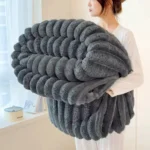 Teddy Bear Blanket
 Sheets
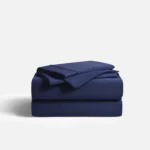 SuperCool+ Starter Sheet Set
 SuperCool+ Flat Sheet
 SuperCool+ Fitted Sheet
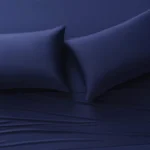 Pillowcases
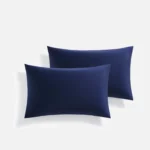 SuperCool+ Pillowcases
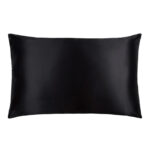 Cooling Silk Pillowcase
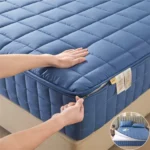 Mattress Protectors
 Quilted Mattress Protector
 Waterproof Mattress Protector
 Floor Mats

What Is a Standard Size Pillowcase Measurements

Understanding Standard Pillowcase Dimensions
A standard pillowcase measures 20 inches by 26 inches (51 cm by 66 cm). This size fits the most common pillow dimensions sold in North America. The standard pillow itself typically measures 20 inches by 26 inches, creating a snug fit within the pillowcase.
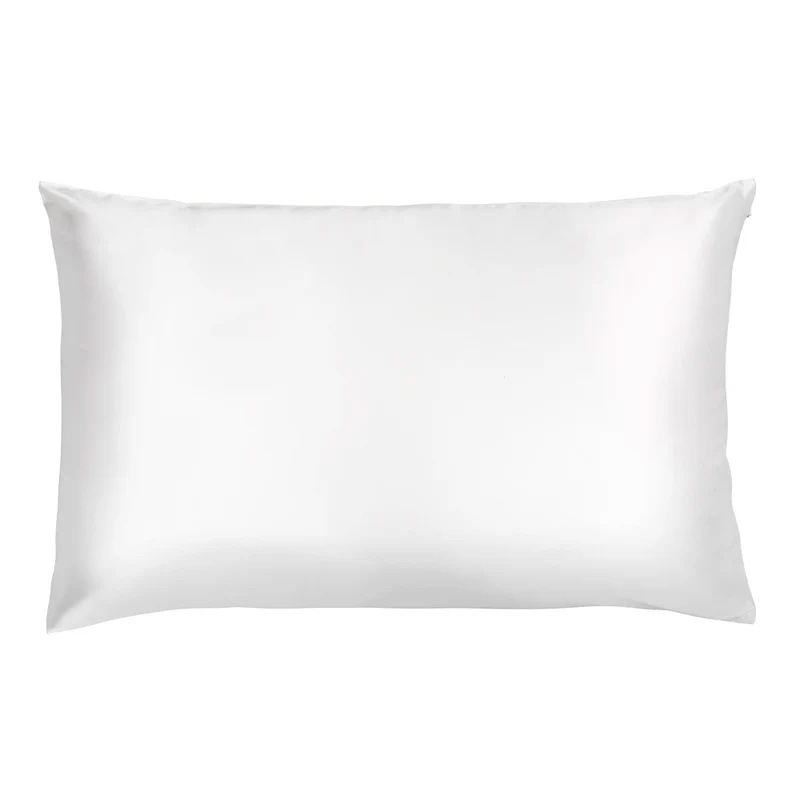
Your pillow shouldn’t steal your glow while you sleep. The lululinens LUXY LU 100% Mulberry Silk Pillowcase reduces friction, minimizes sleep creases, and keeps hair frizz-free. Pure mulberry silk offers temperature-regulating softness that’s hypoallergenic and gentle. Wake up looking as rested as you feel.
Most households use standard pillows and pillowcases because they fit twin and full-size beds perfectly. The 20×26 measurement has remained consistent across manufacturers for decades, making it easy to find matching bedding.
Standard pillowcases feature an opening on one end. Some designs include an envelope closure, while others use a simple open-end design. The closure method does not affect the overall dimensions.
Complete Pillowcase Size Chart
Different bed sizes require different pillow dimensions. Here is a comprehensive breakdown of all pillowcase measurements:
| Pillowcase Type | Dimensions (Inches) | Dimensions (Centimeters) | Best For |
|---|---|---|---|
| Standard | 20 x 26 | 51 x 66 | Twin and Full beds |
| Queen | 20 x 30 | 51 x 76 | Queen beds |
| King | 20 x 36 | 51 x 91 | King beds |
| Euro | 26 x 26 | 66 x 66 | Decorative square pillows |
| Body Pillow | 20 x 54 | 51 x 137 | Full-length body pillows |
Standard vs. Queen Pillowcase Comparison
The difference between standard and queen pillowcases lies in the length. Standard pillowcases measure 26 inches long, while queen pillowcases measure 30 inches long. Both share the same 20-inch width.
Queen pillows provide four extra inches of sleeping surface. Many people prefer queen pillows for additional comfort and support. The extra length accommodates larger frames and those who move during sleep.
Standard vs. King Pillowcase Comparison
King pillowcases measure 20 inches by 36 inches. They are 10 inches longer than standard pillowcases. King beds typically use two king pillows across the width of the bed.
King pillows work well for people who sleep with multiple pillows or prefer more substantial head support. The extra length prevents the pillow from slipping out of the case during sleep.
History of Standardized Pillow Measurements
Pillow sizes became standardized in the United States during the early 20th century. Before this period, pillows varied significantly in size and shape. Manufacturers created different dimensions based on regional preferences and individual customer requests.
The bedding industry established standard measurements in the 1950s. This standardization coincided with the growth of mass production and retail department stores. Manufacturers needed consistent sizes to streamline production and reduce inventory costs.
The 20×26 inch standard emerged as the most practical size for average adult use. This dimension provided adequate head and neck support without requiring excessive fabric or filling material. The size also fit well on twin and full mattresses, which were the most common bed sizes at the time.
European countries developed their own standardization systems. European pillow sizes differ from American measurements. A European standard pillow typically measures 65 cm by 65 cm (approximately 26 x 26 inches), creating a square shape rather than a rectangular one.
The introduction of queen and king mattress sizes in the 1960s created demand for larger pillows. Manufacturers expanded their product lines to include queen and king pillowcases. However, the original standard size remained popular and continues to outsell other sizes today.
Technical Specifications of Standard Pillowcases
Fabric Requirements
Standard pillowcases require approximately 0.75 yards of fabric for construction. Manufacturers typically cut two rectangular pieces measuring 21 inches by 27 inches. The extra inch on each side allows for seam allowance.
The seam allowance typically measures 0.5 inches on each edge. This creates a finished product that measures exactly 20 inches by 26 inches. Professional manufacturers use industrial sewing machines that maintain consistent seam widths.
Common Fabric Types
Pillowcases come in various fabric compositions:
- Cotton: The most popular choice, offering breathability and durability
- Polyester: A budget-friendly option with wrinkle resistance
- Cotton-Polyester Blend: Combines the benefits of both materials
- Silk: Provides a smooth surface that reduces hair friction
- Bamboo: An eco-friendly alternative with moisture-wicking properties
- Linen: A textured fabric with excellent temperature regulation
- Microfiber: Ultra-soft synthetic material with stain resistance
Thread Count Considerations
Thread count refers to the number of threads woven into one square inch of fabric. Standard pillowcases range from 200 to 1000 thread count.
A thread count between 300 and 500 provides the best balance of softness, durability, and breathability. Higher thread counts do not always indicate better quality. Some manufacturers use multi-ply yarns to artificially inflate thread count numbers.
The weave pattern matters as much as thread count. Common weaves include:
- Percale: A plain weave with a crisp, cool feel
- Sateen: A satin weave that creates a smooth, lustrous surface
- Jersey Knit: A stretchy, t-shirt-like material
- Flannel: A brushed cotton that provides warmth
Why Standard Size Remains the Most Popular Choice
Standard pillowcases account for approximately 60% of all pillowcase sales in North America. Several factors contribute to this popularity.
Cost Effectiveness
Standard pillows and pillowcases cost less than larger sizes. The reduced fabric requirements lower production costs. Retailers pass these savings to consumers. A standard pillowcase typically costs $5 to $15 less than a king-size equivalent.
Space Efficiency
Standard pillows work better on smaller beds. Two standard pillows fit perfectly across a full-size mattress. They also work well for children’s beds and guest rooms.
Versatility
Standard pillowcases fit various sleeping positions. Side sleepers, back sleepers, and stomach sleepers all find standard pillows adequate. The 26-inch length provides enough surface area without overwhelming smaller frames.
Wide Availability
Every bedding retailer stocks standard pillowcases. The universal sizing makes replacement shopping simple. Consumers can find standard pillowcases in any color, pattern, or material.
How to Measure Your Pillow for the Correct Pillowcase
Follow these steps to ensure accurate measurements:
- Lay the pillow flat on a hard surface
- Measure the width from left edge to right edge
- Measure the length from top edge to bottom edge
- Round up to the nearest inch
- Add 0.5 inches to each measurement for a comfortable fit
Dealing with Compressed Pillows
New pillows often arrive compressed in plastic packaging. Allow the pillow to fully expand before measuring. This process can take 24 to 48 hours. Memory foam and down alternative pillows require the longest expansion time.
Accounting for Pillow Loft
Pillow loft refers to the height or thickness of a pillow. High-loft pillows may require slightly larger pillowcases for a proper fit. A standard pillowcase accommodates pillows up to 6 inches in loft.
Pillows exceeding 6 inches in height may feel tight in a standard case. Consider sizing up to a queen pillowcase if your standard pillow measures more than 6 inches thick.
The Ideal Fit: How Pillowcases Should Fit Pillows
A properly fitted pillowcase should have minimal excess fabric. The pillow should fill the case without stretching the seams. A small amount of looseness (approximately 1 inch) prevents fabric stress and allows for easy removal.
Signs of Poor Fit
Too small:
- Seams appear stretched or strained
- Corners pull away from pillow edges
- Fabric creates tension wrinkles
- Pillow feels compressed
Too large:
- Excess fabric bunches around the pillow
- Pillow slides within the case
- Opening gaps during sleep
- Wrinkles form across the surface
Pillowcase Construction Methods
Housewife Style
The housewife style features a simple open-end design. This traditional construction uses three seams to create a basic envelope. The opening has no closure mechanism. The pillow’s weight keeps it in place.
This style costs less to produce and remains the most common design. Housewife pillowcases work well for standard pillows that do not require frequent removal.
Oxford Style
Oxford pillowcases include a decorative fabric border around all edges. The border typically measures 2 to 4 inches wide. This border adds visual interest and creates a more formal appearance.
Oxford-style cases require additional fabric and labor. They cost 20% to 40% more than housewife style cases. The finished dimensions include the border, so the internal dimensions match standard measurements.
Envelope Closure
An envelope closure features an overlapping fabric flap at the opening. This flap prevents the pillow from slipping out during use. The design requires extra fabric and an additional seam.
Envelope closures work particularly well for decorative pillows. They maintain a clean, finished appearance even when the case opening is visible.
Zipper Closure
Some pillowcases incorporate zippers for secure closure. Zipper closures suit pillows that require frequent washing or rotation. They prevent pillow shifting and maintain a neat appearance.
Quality matters with zipper closures. Metal zippers last longer but may feel uncomfortable against skin. Plastic zippers provide softer contact but break more easily.
Material Selection Guide for Standard Pillowcases
Cotton Varieties
Egyptian Cotton: Features extra-long staple fibers that create exceptionally soft and durable fabric. Egyptian cotton pillowcases resist pilling and maintain their texture through hundreds of washes.
Pima Cotton: Also uses long-staple fibers, though slightly shorter than Egyptian cotton. Pima cotton offers excellent softness at a lower price point than Egyptian varieties.
Supima Cotton: An American-grown version of Pima cotton. Supima represents a trademarked certification that guarantees fiber length and quality standards.
Organic Cotton: Grown without synthetic pesticides or fertilizers. Organic cotton appeals to environmentally conscious consumers. The fabric performs similarly to conventional cotton but costs 15% to 30% more.
Synthetic Options
Polyester: Resists wrinkles and shrinking. Polyester pillowcases dry quickly and require minimal ironing. However, polyester breathes poorly compared to natural fibers. This can lead to heat retention during sleep.
Microfiber: A type of polyester with ultra-fine fibers. Microfiber creates an exceptionally soft texture. The tight weave repels dust mites and allergens effectively.
Luxury Fabrics
Silk: Provides the smoothest surface of any pillowcase material. Silk reduces friction against hair and skin. Dermatologists recommend silk pillowcases for people with sensitive skin or hair concerns. Silk requires delicate washing and costs significantly more than cotton.
Linen: Made from flax fibers, linen offers excellent temperature regulation. The fabric feels cool in summer and warm in winter. Linen softens with each wash but starts with a rougher texture than cotton. The natural wrinkles in linen create a casual, relaxed aesthetic.
Maintenance and Care for Standard Pillowcases
Washing Frequency
Pillowcases accumulate oils, dead skin cells, and dust over time. Wash pillowcases every 3 to 7 days for optimal hygiene. People with oily skin or acne should wash pillowcases every 2 to 3 days.
Your pillow shouldn’t steal your glow while you sleep. The lululinens LUXY LU 100% Mulberry Silk Pillowcase reduces friction, minimizes sleep creases, and keeps hair frizz-free. Pure mulberry silk offers temperature-regulating softness that’s hypoallergenic and gentle. Wake up looking as rested as you feel.
Washing Instructions by Fabric Type
Cotton and Cotton Blends:
- Water temperature: Warm (90°F to 110°F)
- Detergent: Standard laundry detergent
- Drying: Medium heat or line dry
- Ironing: Medium-high heat if desired
Silk:
- Water temperature: Cold (below 80°F)
- Detergent: Gentle or silk-specific detergent
- Drying: Air dry flat, never use heat
- Ironing: Low heat on reverse side only
Microfiber:
- Water temperature: Warm (90°F to 110°F)
- Detergent: Small amount of standard detergent
- Drying: Low heat or air dry
- Ironing: Not recommended, fabric resists wrinkles
Linen:
- Water temperature: Cold to warm (80°F to 110°F)
- Detergent: Mild detergent
- Drying: Medium heat or line dry
- Ironing: High heat while slightly damp
Stain Removal Techniques
Oil-based stains (makeup, body oils):
- Apply dish soap directly to the stain
- Rub fabric together gently
- Let sit for 5 minutes
- Rinse with warm water
- Wash as normal
Protein-based stains (drool, sweat):
- Soak in cold water for 30 minutes
- Apply enzyme-based stain remover
- Wash in cold water
- Check stain before drying
- Repeat if necessary
Dye transfer stains:
- Rewash immediately in hot water
- Add color-safe bleach
- Do not dry until stain is removed
- Use oxygen bleach for white fabrics
Extending Pillowcase Lifespan
Standard pillowcases last between 2 and 5 years with proper care. Follow these guidelines to maximize durability:
- Rotate pillowcases: Use multiple sets to reduce wear on individual cases
- Avoid overloading the washer: Allows proper agitation and rinsing
- Remove from dryer promptly: Prevents set-in wrinkles
- Store properly: Keep in a cool, dry place away from direct sunlight
- Repair small tears immediately: Prevents damage from spreading
- Use color-safe bleach: Regular bleach weakens fabric fibers
Buying Guide: Selecting the Right Standard Pillowcase
Quality Indicators
Stitching: Examine seam quality before purchase. Straight, even stitches indicate good construction. Look for reinforced corners that resist stress.
Fabric Weight: Heavier fabrics generally last longer. Pick up the pillowcase and assess its weight. Lightweight fabrics feel flimsy and may tear easily.
Color Fastness: Quality pillowcases use colorfast dyes that resist fading. Read labels for washing instructions. Fabrics requiring special care may fade faster.
Certifications: Look for certifications like OEKO-TEX Standard 100, which ensures fabrics are free from harmful substances. GOTS (Global Organic Textile Standard) certifies organic materials.
Price Ranges
Budget tier ($5-$15 per pillowcase):
- Basic polyester or low-thread-count cotton
- Simple construction
- Limited color options
- Expected lifespan: 1-2 years
Mid-range ($15-$35 per pillowcase):
- Quality cotton or cotton blends
- Thread count 300-500
- Variety of colors and patterns
- Expected lifespan: 3-4 years
Premium ($35-$75 per pillowcase):
- Egyptian or Pima cotton
- Thread count 500-800
- Superior construction
- Expected lifespan: 4-5 years
Luxury ($75+ per pillowcase):
- Silk, high-end linen, or specialty materials
- Exceptional craftsmanship
- Unique designs or custom options
- Expected lifespan: 5+ years with proper care
Where to Buy
Department Stores: Offer mid-range to premium options. You can feel fabrics before purchase. Sales events provide significant discounts.
Online Retailers: Provide the widest selection and competitive pricing. Read customer reviews carefully. Check return policies before ordering.
Specialty Bedding Stores: Stock high-quality and luxury options. Staff members provide expert advice. Prices typically run higher than other retailers.
Direct-to-Consumer Brands: Companies like Lulu Linens sell directly to customers. This model eliminates middleman costs. Many offer trial periods or satisfaction guarantees.
Set vs. Individual Purchase
Pillowcases sold in sets cost less per unit than individual cases. Standard sets typically include two pillowcases. Complete sheet sets include fitted sheet, flat sheet, and pillowcases.
Purchasing a complete set ensures all pieces match in color and quality. Individual pillowcases offer flexibility for mixing patterns or replacing worn items.
Common Problems and Solutions
Pillowcase Slipping Off
Causes:
- Pillowcase too large for pillow
- Smooth fabric combinations (silk on silk)
- Worn elastic or closure mechanism
Solutions:
- Use a smaller pillowcase size
- Choose grippy fabrics like cotton
- Safety pins can temporarily secure corners
- Replace pillowcases with envelope closures
Fabric Pilling
Causes:
- Low-quality fibers
- Friction during washing
- Over-drying
Solutions:
- Use a fabric shaver to remove pills
- Wash pillowcases inside out
- Reduce dryer time
- Choose higher-quality materials for future purchases
Color Fading
Causes:
- Hot water washing
- Chlorine bleach use
- Sun exposure
- Low-quality dyes
Solutions:
- Wash in cold water
- Use color-safe bleach only
- Line dry in shade
- Turn pillowcases inside out while washing
Shrinkage
Causes:
- Hot water washing
- High heat drying
- Natural fiber composition
Solutions:
- Wash in cold or warm water only
- Remove from dryer while slightly damp
- Air dry when possible
- Purchase pre-shrunk fabrics
- Size up if shrinkage is expected
Environmental Considerations
Sustainable Fabric Choices
Organic cotton production uses 91% less water than conventional cotton. The elimination of synthetic pesticides protects soil health and water quality. Organic cotton pillowcases cost more initially but provide environmental benefits.
Bamboo fabric grows quickly without pesticides or excessive water. However, bamboo processing often uses harsh chemicals. Look for bamboo viscose made with closed-loop processing.
Linen production requires minimal water and no pesticides. Flax plants grow in poor soil conditions. Every part of the flax plant gets used, creating zero waste.
Recycling Old Pillowcases
Used pillowcases serve multiple purposes beyond bedding:
- Cut into cleaning rags
- Donate to animal shelters for bedding
- Use as dust covers for stored items
- Transform into reusable shopping bags
- Create craft projects like quilts or stuffed animals
- Compost natural fiber pillowcases
Health Benefits of Quality Pillowcases
Skin Health
Clean pillowcases prevent breakouts and skin irritation. Dirty pillowcases harbor bacteria that cause acne. The friction between skin and fabric affects skin health.
Smooth fabrics like silk reduce friction. This prevents sleep wrinkles and irritation. Dermatologists recommend changing to clean pillowcases frequently for clear skin.
Hair Care
Cotton pillowcases absorb moisture from hair. This creates frizz and dryness. Silk and satin pillowcases allow hair to glide smoothly. This reduces tangles and breakage.
People with curly or textured hair benefit most from smooth pillowcase surfaces. The reduced friction maintains curl patterns and prevents damage.
Allergy Management
Tightly woven pillowcases create a barrier against dust mites. Microfiber fabrics work particularly well for allergy sufferers. Wash pillowcases in hot water (above 130°F) to kill dust mites.
Hypoallergenic pillowcases are made without dyes or chemical treatments. These reduce allergic reactions in sensitive individuals.
Summary: Steps to Choose Your Perfect Standard Pillowcase
Follow this process to select ideal pillowcases:
- Measure your current pillow to confirm it is truly standard size (20×26 inches)
- Set your budget based on the price ranges outlined above
- Select your preferred fabric considering comfort, durability, and maintenance needs
- Determine thread count in the 300-500 range for best value
- Choose a closure style (housewife, envelope, or zipper) based on your preferences
- Pick colors or patterns that complement your bedroom decor
- Read customer reviews if purchasing online
- Verify return policy before finalizing purchase
- Order multiple sets to allow rotation between washes
- Follow care instructions to maximize lifespan
Standard size pillowcases measure 20 inches by 26 inches. This dimension fits most common pillows and works well on twin and full beds. The size has remained consistent for over 70 years, making it easy to find replacement pillowcases.
Quality pillowcases combine proper sizing with durable materials and solid construction. Cotton fabrics with thread counts between 300 and 500 provide the best balance of comfort and longevity. Regular washing every 3 to 7 days maintains hygiene and extends pillowcase life.
The standard pillowcase remains the most popular size because of its versatility, affordability, and universal availability. Understanding proper measurements, materials, and care techniques helps you make informed purchasing decisions. Quality pillowcases contribute to better sleep, improved skin health, and reduced allergies.
Your pillow shouldn’t steal your glow while you sleep. The lululinens LUXY LU 100% Mulberry Silk Pillowcase reduces friction, minimizes sleep creases, and keeps hair frizz-free. Pure mulberry silk offers temperature-regulating softness that’s hypoallergenic and gentle. Wake up looking as rested as you feel.
